


This honest review looks into whether Pineal Awakening works for opening the third eye and boosting spiritual awareness. In the United States, people are keen on mindfulness, supplements, and holistic healing. They need clear, evidence-based advice before buying.
This review for 2026 will explore the program’s parts, scientific backing, user feedback, and safety. I rely on verifiable sources and the official program page for details and prices. This keeps the review practical and open.
The aim is to guide spiritual seekers, doubters, and potential buyers. We’ll see if Pineal Awakening is a real path to better sleep, vivid dreams, or deeper inner insight. You can expect a mix of claims, science, and real user trends.
Key Takeaways
- Pineal Awakening combines guided meditations, practices, and supplement tips for activating the pineal gland.
- This 2026 product review assesses both personal stories and scientific evidence for spiritual claims.
- Look for small, measurable gains like better sleep and vivid dreams, not quick mystical experiences.
- Remember, safety, dosage, and realistic timelines are key—always check with health experts for supplements and big health changes.
- The next parts will compare the program’s content, user feedback, and cost. This will help you decide if Pineal Awakening meets your goals.
Pineal Awakening really works — quick verdict and what to expect

Pineal Awakening offers a step-by-step plan for clearer sleep and sharper intuition. It includes guided meditations, lifestyle tips, and supplements to open the third eye and improve dream recall.
Summary of claims and promises made by Pineal Awakening
The program aims to activate the pineal gland with daily practices and diet changes. It provides meditation tracks, exercises, and tools to build habits. Users can expect better sleep, vivid dreams, stronger intuition, and inner clarity.
High-level verdict: does it work for most users?
Many users see benefits like better sleep and clearer dreams. Meditation and routine changes lead to consistent gains. But, there’s limited scientific proof for decalcifying the pineal gland, so be cautious of supernatural claims.
Who this review is for: seekers, skeptics, and potential buyers
This review is for those interested in meditation and spiritual growth. Skeptics should be aware of the mixed evidence. Potential buyers should consider the time and cost before buying.
What is Pineal Awakening? Program overview and components
Pineal Awakening is a digital program that offers guided meditations, visualization, and breathwork. It also includes dietary tips and supplement recommendations. The goal is to help with spiritual growth and improve sleep and dreams.
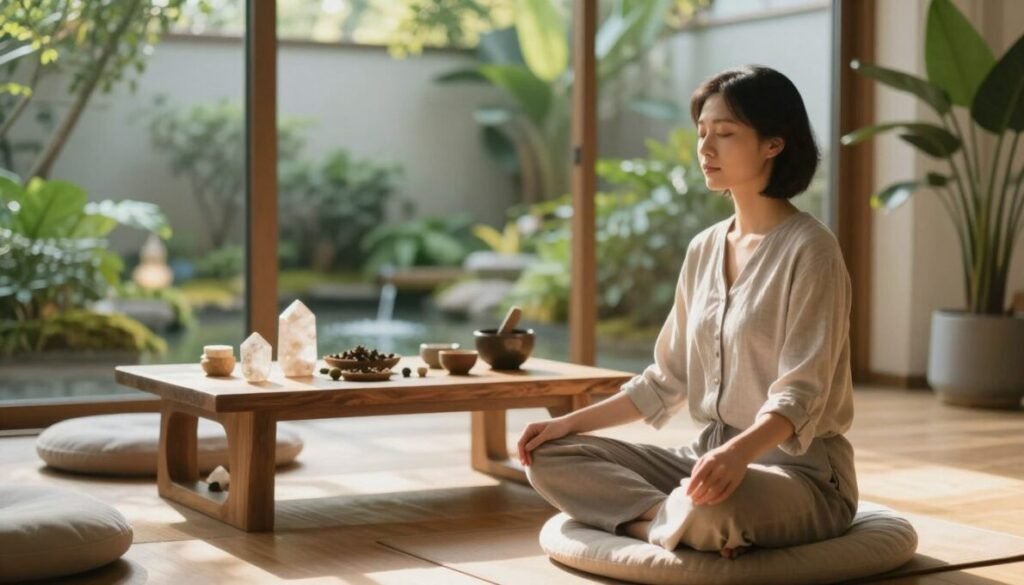
Course modules and structure: meditation, exercises, and guides
The program is divided into modules that get progressively harder. The first lessons teach basic breathing and meditation for calm.
As you move on, you learn advanced visualization and meditation for the third eye. There are also daily breathwork routines. Each session lasts from 15 to 45 minutes.
You’ll also get tools for keeping a dream journal and short daily exercises. There are guides to help you apply what you learn in your daily life.
Supplement recommendations and product links
The program suggests supplements like melatonin, magnesium, and vitamin D for pineal health. It also recommends herbal options like bacopa and ginkgo. Always check the labels and talk to a doctor before taking any supplements.
There might be links to products on the sales pages. Make sure to check the ingredients and quality of any supplements you buy.
Digital delivery, pricing, and access through the official link
Once you buy it, you get instant digital access. You’ll get audio, PDFs, and videos that work on both computers and phones.
The prices vary, with discounts and bonuses sometimes available. There’s also a money-back guarantee. Check the official link for details on how to access and what devices it works on.
Pineal gland activation explained: science, myths, and spiritual perspectives
The pineal gland is a small part of the brain. It helps control sleep by making melatonin. Knowing about the pineal gland helps us understand what’s real and what’s not about the third eye and spiritual growth.
Biology of the pineal gland and melatonin production
The pineal gland is a small gland in the brain. It makes melatonin, which tells our body it’s night. This helps keep our body’s clock in sync.
As we get older, the gland can get calcified. This can be seen on CT scans. Research shows it’s linked to sleep, mood, and our body’s rhythms, not to seeing things that aren’t there.
Where science ends and spiritual consciousness claims begin
Science looks at things we can measure, like melatonin and our body’s clock. But claims about psychic powers are not backed up by science. Programs that mix science and spirituality offer ways to improve sleep and awareness. They call these experiences spiritual growth.
Be careful when programs promise big changes. Look at scientific studies and trials. You might see real benefits in sleep and mood. But spiritual experiences are personal and can’t be proven.
Common myths about third eye opening and how to evaluate them
Myths say things like fluoride causes calcification that blocks intuition. Or that a single supplement opens the third eye. These ideas come from not understanding the pineal gland and picking and choosing stories.
Check out what scientists say about the pineal gland. Look at the design of studies and how many people were in them. Real evidence shows changes in melatonin or sleep, not unprovable psychic claims.
Be practical and give credit where it’s due. Acknowledge real benefits like better sleep and mood. But be careful of promises of instant enlightenment. Approach spiritual growth as a personal journey, not a guaranteed outcome.
How Pineal Awakening approaches third eye opening and spiritual consciousness
The program offers a step-by-step guide to inner awareness and practical skills. It combines focused practice with lifestyle changes for a steady experience. Short daily routines make third eye opening gradual and manageable.
Pineal Awakening focuses on guided sessions for attention to the forehead’s midline. It includes meditation, posture cues, timed breath, and focal holds to improve concentration. Visualization drills help imagine light at the brow, using progressive relaxation to calm the body.
Practice notes suggest session length, incremental increases, and breath rhythm timing. They emphasize safety, low expectations, and tracking subtle shifts. This approach avoids chasing dramatic sensations.
Holistic healing practices
The course combines meditation with breathwork from pranayama and coherent-breath techniques. Alternate-nostril breathing calms the nervous system and deepens meditation. Breath patterns are taught in short, repeatable sets for daily use.
Nutrition advice promotes nutrient-dense foods for brain health and cautious supplement use. Sleep hygiene is key, with tips on limiting caffeine, reducing screen time, and maintaining a consistent sleep schedule. Safety notes explain when to take melatonin or other supplements.
Integration strategies
Small, repeatable habits turn practice into daily life. Journaling templates help recall dreams and track intuitive notes. Micro-meditations, lasting two to five minutes, are suggested for work breaks or tension relief.
Users are encouraged to follow a paced plan. Start with basic pineal gland meditation, add breathwork after week one, refine diet and sleep hygiene by week three, and use journaling to record outcomes. This structure supports steady growth and reduces overwhelm while pursuing deeper awareness.
Does Pineal Awakening really work for pineal gland activation? User results and evidence
Many people wonder if pineal awakening really works. Forums, product pages, and reviews show mixed results. Some users report steady improvements, while others share dramatic experiences.
Collected user testimonials highlight common themes. Many users talk about better sleep and clearer focus after meditating. Some also mention increased introspection and intuition.
But, most users report practical gains rather than supernatural changes. Changes happen gradually, not instantly. Some users are disappointed if they don’t see results right away.
Objective markers of progress offer clearer signs than personal stories. Many users see better sleep, like falling asleep faster and sleeping more consistently. They also report more vivid dreams and sometimes lucid dreaming.
These markers match the benefits of meditation and good sleep habits. Tracking sleep and dreams can show real progress. Mood improvements often come with regular practice.
Limitations of anecdotal evidence are important to remember. People who are happy with the results are more likely to share them. There are few scientific studies to back up these claims.
Results vary from person to person. Some notice improvements in sleep and dreams quickly. Others take longer to experience deeper spiritual changes. It depends on individual habits and commitment.
So, what should we take away? Focus on measurable changes in your life. Keep track of your sleep, dreams, and mood. Use testimonials as a guide, but remember they’re not proof for everyone.
Benefits of pineal gland activation: realistic benefits and red flags
Many people notice small, positive changes after trying to activate their pineal gland. They might sleep better, focus more clearly, and remember their dreams more vividly. These improvements often come from regular meditation, better sleep habits, and less stress.
Potential benefits reported
People often say they feel more intuitive, mentally sharp, and emotionally balanced. These feelings are similar to what studies on mindfulness show. They find that regular mindfulness practice can improve attention and mood.
Scientific backing for common benefit claims
Studies on melatonin show it helps with sleep and keeping a regular day-night cycle. Mindfulness research also supports its benefits, like lower stress and better mood. But, claims of supernatural powers from pineal gland activation are not backed by science.
Warning signs and red flags
Be cautious of promises of guaranteed psychic powers or medical fixes. Also, be wary of expensive supplements without clear ingredient lists. Celebrity endorsements without proof and unclear refund policies are signs of aggressive marketing. Always check the ingredients and talk to a doctor before starting any supplements.
How to weigh benefits against marketing exaggerations
Look at the evidence behind the promises. Real benefits from pineal gland activation include better sleep and mood. Be skeptical of big claims and check any money-back guarantees. Trustworthy programs explain their science clearly, list their supplements openly, and set realistic goals.
How to activate pineal gland safely: recommended practices and supplements
To keep your pineal gland healthy, mix simple habits with smart choices. Choose practices you can keep up with for a long time. Focus on routines that help your body’s clock and brain health. Also, think about the safety of supplements and how they fit into your lifestyle.
Start with key practices backed by strong evidence. Regular meditation reduces stress and helps your brain. Morning light helps set your body’s clock. Aim for seven to nine hours of sleep each night.
Evidence-backed practices: meditation, light exposure, and sleep regulation
Meditation makes you more resilient to stress and improves sleep. Try focused-attention or mindful breathing for 10–20 minutes daily. Being consistent is more important than how long you meditate.
Morning light exposure is key for your body’s melatonin timing. Spend 15–30 minutes outside after waking. At night, avoid blue light from screens to help your body make melatonin and sleep better.
Keep a regular bedtime routine. A dark, cool bedroom and avoiding alcohol before bed help your melatonin cycles. These simple practices lay a solid foundation for pineal health.
Pineal gland supplements: what to consider and safety notes
Supplements can help, but pick them wisely. Melatonin is good for short-term sleep help. Always talk to your doctor about the right timing and dose.
Good nutrients include magnesium, vitamin D, zinc, and omega-3s. Herbal nootropics like bacopa and adaptogens like ashwagandha have mixed evidence. Look for brands with third-party testing and clear dosages.
Avoid proprietary blends that hide ingredient amounts. Check for interactions with medications. Pregnant or breastfeeding women should talk to a doctor before using pineal gland supplements.
Holistic approaches: diet, fluoride avoidance debate, and lifestyle tips
Your diet affects your endocrine health. Eat foods rich in antioxidants like berries, leafy greens, nuts, and oily fish for omega-3s. Also, make sure you get enough iodine and selenium for thyroid support.
Some studies link fluoride to gland tissue, causing debate on calcification. But, major health authorities don’t recommend drastic measures. Discuss your concerns with a healthcare provider and weigh the evidence.
Protect your sleep and stress levels with lifestyle habits. Exercise regularly, manage stress with breathwork or yoga, and avoid stimulants late in the day. These actions help you safely and sustainably activate your pineal gland.
Buying guide and honest product review: value, support, and guarantee
Before you buy, think about the cost and what you get. Check the number of meditations, audio and video quality, and extra materials. If you meditate a lot, the program might be worth it. But, if you just want to sleep better or focus more, free stuff might work too.
Price vs value: is Pineal Awakening worth the investment?
Compare it to other paid courses like Headspace or Calm. See how many hours of meditation you get and if you can download them. If it offers lifetime access and new content, the cost might be okay for long-term use.
Customer support, updates, and refund policy details
Good customer support is key. Make sure there’s a way to contact them and they respond. Also, check if they update the content and if it’s free. A clear refund policy on the sales page makes you feel more secure.
Where to buy safely (official link) and how to avoid scams
Buy only from the official link to get real products and refunds. Stay away from third-party sites that offer cheaper prices, as they might be fake. Use secure payment pages (HTTPS) and prefer credit cards or PayPal for extra protection.
Be careful of extra offers on the checkout page. Decide if you really need them or if they’re just to make more money. Read what other people say before you buy.
- Payment safety: use secure methods with dispute options.
- Verification: look for clear contact details and terms.
- Returns: test the refund policy window before trying advanced modules.
Conclusion
Pineal Awakening is a real program for those ready to practice every day. It offers guided meditations, lifestyle tips, and supplement advice. These help activate the pineal gland.
People often see better sleep, clearer dreams, and more mindfulness. This matches what meditation and sleep science say.
The verdict is clear: it’s great for those who are serious about practicing. But, it’s not a medical fix. Those hoping for big spiritual changes should be realistic. Science doesn’t back up some claims.
Still, many find their sleep and mental focus improve with regular use. This shows the program can make a difference.
Think carefully before buying. Consider if you can commit to daily practice and follow safety advice on supplements. Always talk to a doctor if you’re on medication or have health issues.
Start with simple sleep habits and free meditation. See if you notice improvements before investing in the full program.